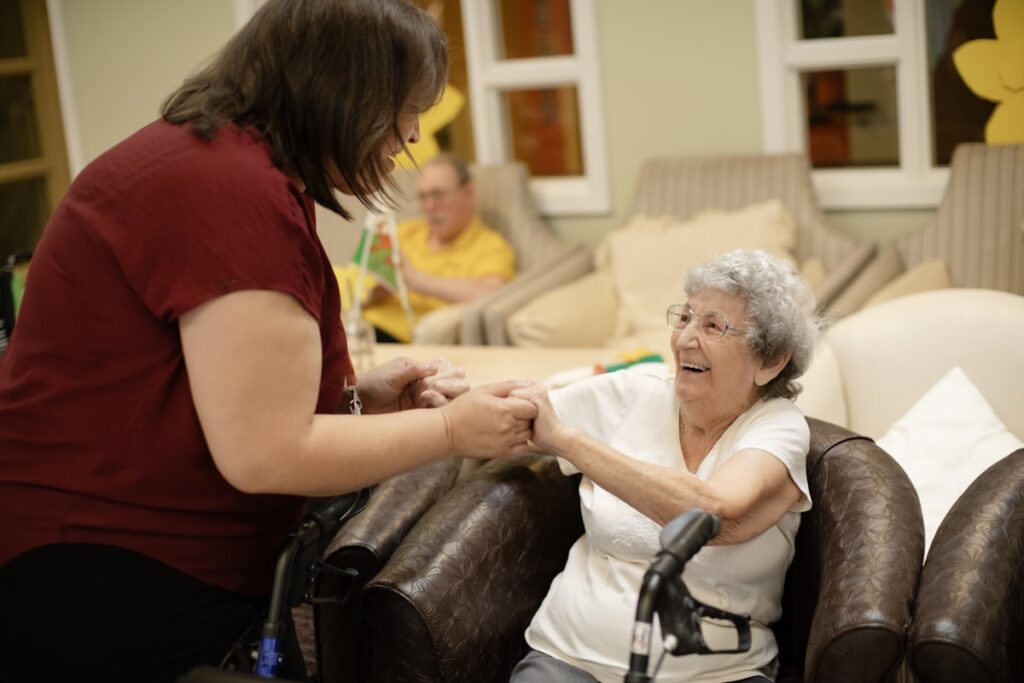
Choosing between home care and a retirement home is one of the most important — and emotional — decisions a family will ever make. If you’re weighing home care vs. retirement home options in Ontario for an aging parent or loved one, you’re not alone. Thousands of families across Halton Region face this exact crossroads every year, and there’s no single right answer. What matters most is understanding what each option truly offers, what it costs, and what your loved one actually needs to thrive.
At Calm Coast Homecare Inc., we’ve supported families throughout Burlington, Oakville, Milton, and Hamilton through this decision — and we want to give you the clearest, most honest comparison possible.
What Is Home Care?
Home care means a trained caregiver comes to your loved one’s home — whether that’s a private residence, condo, or apartment — and provides support with daily living. Services can range from a few hours a week to full-time, around-the-clock care.
In Ontario, home care typically includes:
- Personal care — bathing, grooming, dressing, and hygiene support
- Companionship — regular social interaction to reduce isolation and loneliness
- Medication reminders — ensuring the right medications are taken at the right times
- Meal preparation and light housekeeping
- Transportation and errands
- Specialized care — including dementia support, post-hospital recovery, respite care, and overnight care
The defining feature of home care is that your loved one stays in the environment they know and love, surrounded by familiar faces, routines, and memories.
What Is a Retirement Home?
A retirement home (sometimes called an assisted living facility or long-term care home) is a residential community where seniors live full-time and receive on-site support from staff. Services are bundled — meals, activities, basic care, and security are all included in a monthly fee.
Retirement homes range from independent living communities (for active seniors who need minimal support) to memory care facilities (for those with advanced dementia or cognitive decline).
Comparing the Costs: Ontario Home Care vs. Retirement Home
Cost is often the first thing families ask about — and the answer may surprise you.
Retirement homes in Ontario typically cost between $3,500 and $8,000+ per month, depending on the level of care required, the location, and the amenities. Long-term care homes funded by the government are more affordable but often have long waitlists — sometimes one to three years.
Private home care in Ontario is charged by the hour or by shift. Many families find that even 40 hours of professional home care per week costs significantly less than a full-time retirement home placement — especially when your loved one only needs moderate support. For lighter care needs — a few hours a day — home care can cost a fraction of residential care.
It’s also worth noting that home care preserves your loved one’s existing housing, so you’re not paying for a new residence on top of everything else.
Quality of Life: The Factor Families Underestimate
Cost matters, but quality of life matters more.
Research consistently shows that older adults who age in place — remaining in their own home with appropriate support — report higher levels of happiness, lower rates of depression, and slower cognitive decline than those who transition into residential care. The familiar environment, personal routines, and connection to community are deeply meaningful for seniors, especially those living with dementia.
That said, retirement homes offer something home care cannot: around-the-clock on-site staffing, peer social interaction with other residents, and structured programming. For seniors who are very socially isolated or who require intensive medical monitoring, a retirement home may genuinely be the better fit.
When Home Care Is the Right Choice
Home care in Burlington or across Halton Region tends to be the right fit when your loved one:
- Wants to remain in their own home and has clearly expressed that preference
- Needs support with daily tasks but is medically stable
- Has family nearby who can check in but need backup support
- Is recovering from a hospital stay or surgery and needs transitional care
- Is living with early to mid-stage dementia and benefits from familiar surroundings
- Has a tight-knit neighbourhood or community they don’t want to leave
Our home care services are designed to grow with your loved one’s needs — starting with a few hours a week and expanding to overnight or live-in care as required.
When a Retirement Home May Be the Better Fit
There are situations where residential care is genuinely the safer, more appropriate option:
- Your loved one requires continuous medical monitoring that goes beyond what home care can provide
- There are serious safety concerns at home that cannot be adequately addressed
- Your loved one is socially isolated and craves a community of peers
- Family is geographically distant and cannot supplement care
- Late-stage dementia or significant physical decline requires 24/7 hands-on supervision
Even in these cases, many families use home care as a bridge — keeping their loved one at home longer while a retirement home placement is being arranged.
A Third Option: A Blend of Both
Many Ontario families don’t realize this is possible — but you can combine home care with a retirement home placement. Some retirement homes allow families to bring in private caregivers for additional one-on-one support, overnight sitting, or specialized dementia care that the facility’s staff cannot consistently provide.
This blended approach can dramatically improve your loved one’s experience in a retirement setting.
How to Make the Decision
Here’s a simple framework we share with families in Burlington and Halton Region:
Start with your loved one’s wishes. If they’re able to express a preference, honour it as much as safely possible. Most seniors want to stay home.
Get a professional assessment. A free in-home assessment from our care coordinators can help you understand exactly what level of support is needed and whether home care can realistically meet those needs.
Consider the full picture. Factor in emotional wellbeing, family support, medical needs, finances, and — most importantly — what your loved one’s daily life will actually look like.
Don’t rush. This is a significant decision. Take the time to visit retirement homes, speak with a home care provider, and involve your loved one in the conversation.
We’re Here to Help
At Calm Coast Homecare Inc., we’ve supported hundreds of families in Burlington, Oakville, Milton, and Hamilton as they navigate exactly this decision. We’re always happy to have an honest conversation — even if home care turns out not to be the right fit for your family right now.
Book a free in-home assessment with one of our care coordinators today. There’s no obligation, no pressure — just a compassionate conversation about what’s best for your loved one.